
Example source dimensions
Ecommerce enlargement
Upscale small product images for larger layouts.
Create a larger output for storefronts, presentations, and design work, then review labels, stitching, texture, and edges that AI may estimate.

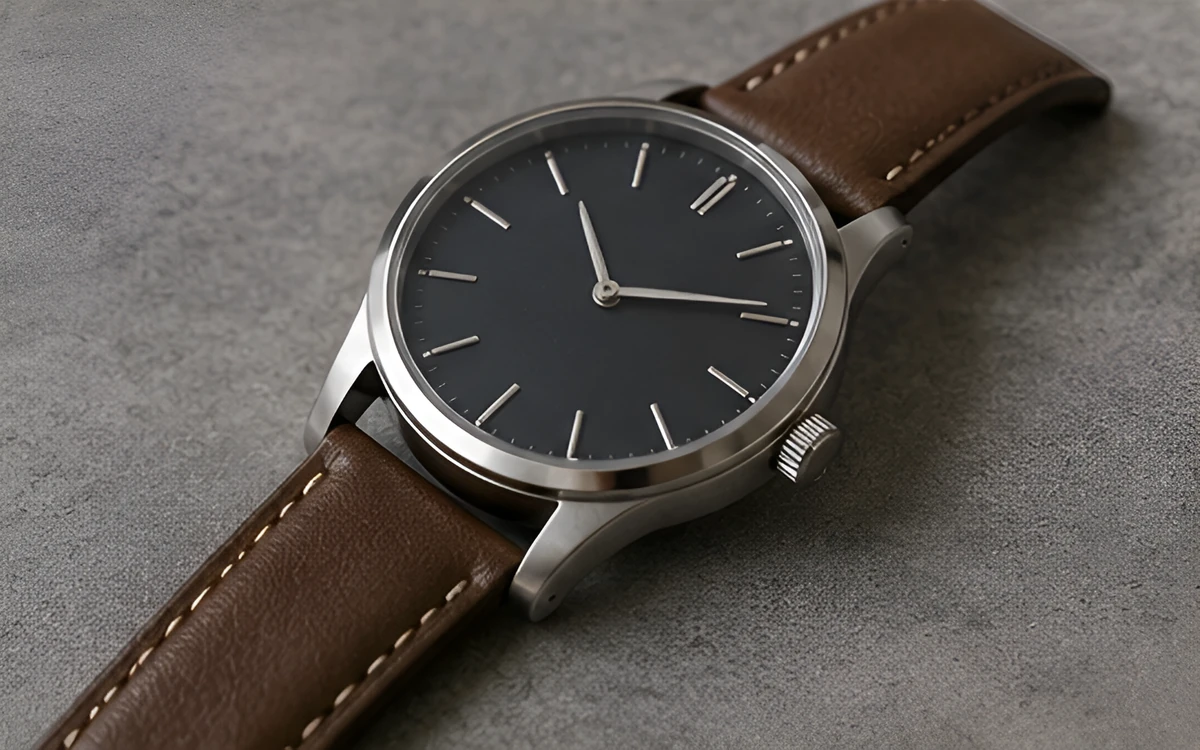
Example result dimensions
Problems this solves
Start with the image problem, not a generic AI setting.
- Small supplier or catalog images
- Larger website and presentation placements
- Insufficient pixels before a moderate crop
Workflow
Complete and review the result in four steps.
- 1
Upload the highest-quality source available.
- 2
Try 2× first; use 4× only when the larger output is genuinely needed.
- 3
Inspect logos, text, stitching, hands, and repeated patterns at 100% zoom.
- 4
Export the result in the format appropriate for the final channel.
Pre-publish review
Do not judge only from a thumbnail.
Text and logos remain legible and unchanged
Check again at 100% zoom and in the final placement or background.
Repeated textures do not become distorted
Check again at 100% zoom and in the final placement or background.
Edges are clean without heavy halos
Check again at 100% zoom and in the final placement or background.
The output dimensions match the intended placement
Check again at 100% zoom and in the final placement or background.
FAQ
Common questions for this workflow
Is 4× always better than 2×?
No. A larger multiplier creates more estimated pixels and can amplify artifacts. Use the smallest scale that meets the final requirement.
Can upscaling recover original detail?
It can improve perceived clarity, but it cannot reliably recover detail that was never captured.
Should I upscale before removing the background?
For many product workflows, remove the background first and upscale the clean result, but compare both orders for difficult fine edges.
Practical guides
Get more reliable results with a better workflow.
Use these guides to prepare source files, choose the right operation, and review results before publishing.
How to upscale small product images without making them look fake
Learn when to use 2× or 4× AI upscaling for small ecommerce images, what details to inspect, and how to avoid artificial-looking product results.
Read guideMake a Logo Background Transparent Safely
Remove a logo background, preserve sharp edges and interior spaces, and export a reusable transparent PNG for websites and documents.
Read guideAmazon product image preparation: a safe editing checklist
Prepare Amazon-ready product images with a clean main image, accurate details, consistent secondary views, and a documented quality review.
Read guide
ImageAI
Open ImageAI
Verify the workflow with your own image.
Guests can process one image free without an account. Sign in to continue, keep history, and manage credits.